Regional Security
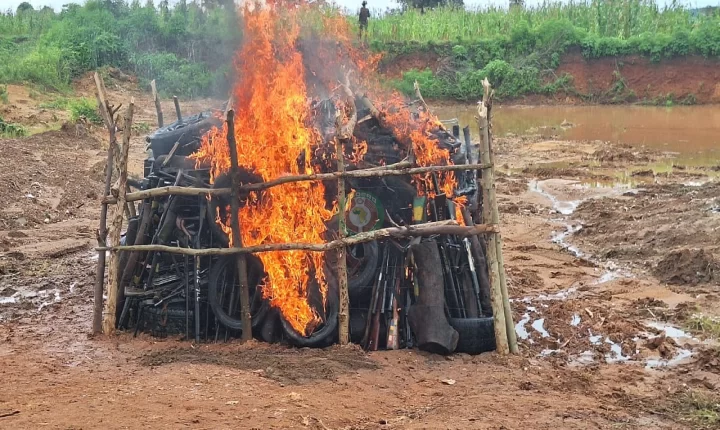
PUBLIC DESTRUCTION OF SMALL ARMS AND LIGHT...more
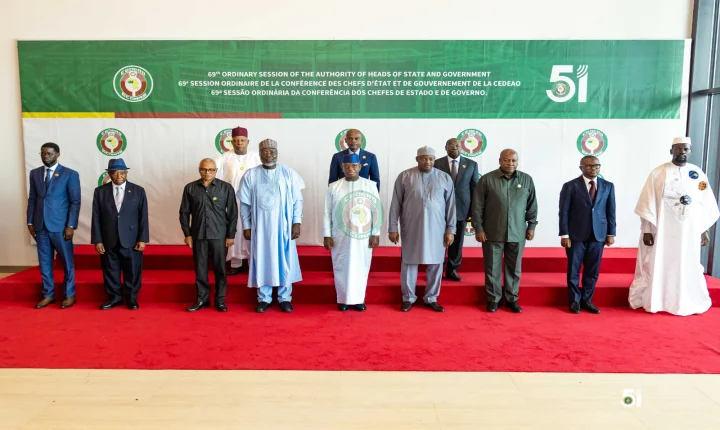
ECOWAS HOLDS SUMMIT ON THE FUTURE OF REGIONAL...more
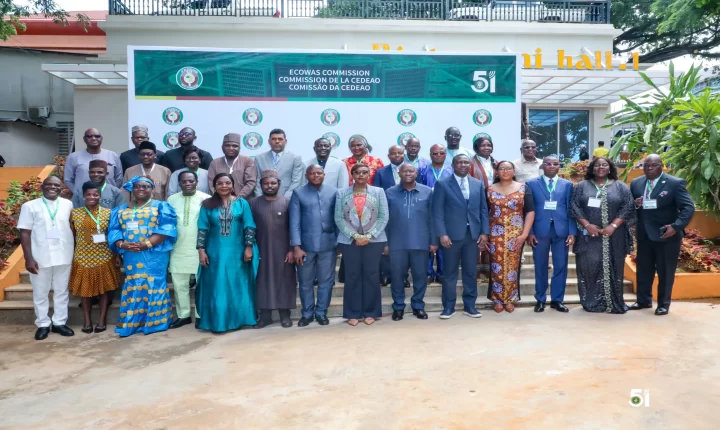
THE 39TH MEETING OF THE ECOWAS ADMINISTRATION...more
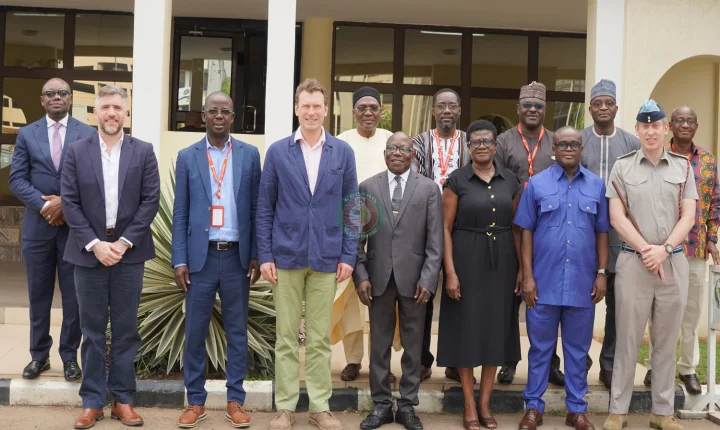
ECOWAS COMMISSION CONFERS WITH THE UNITED...more
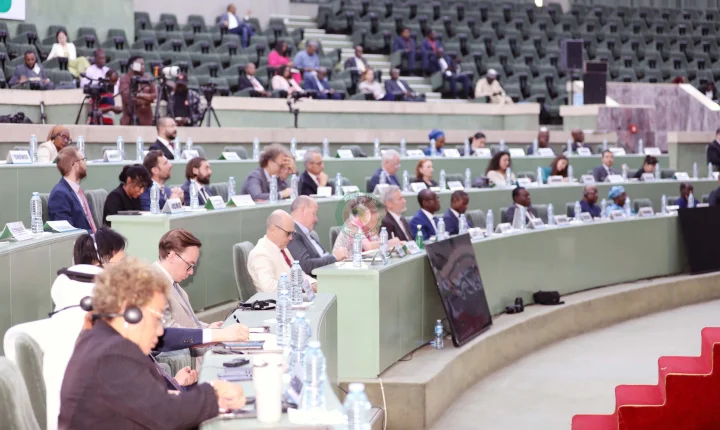
H.E. DR OMAR ALIEU TOURAY MEETS WITH MEMBERS OF...more
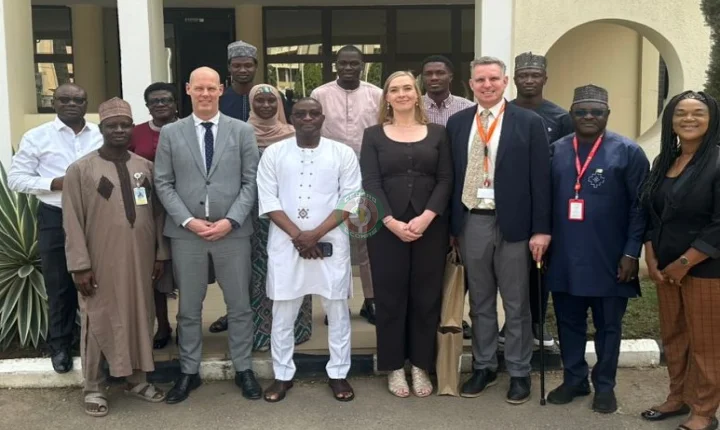
ECOWAS COMMISSION CONFERS WITH THE KINGDOM OF...more
Exclusive Interviews
THE COMMISSIONER POLITICAL AFFAIRS, PEACE AND SECURITY AMB ABDEL FATAU MUSAH - Abuja, 8 March 2024
ECOWAS Declares State Of Emergency Across West African Region
"ECOWAS made mistakes and I must admit it" - Amb. Dr. Abdel-Fatau Musah
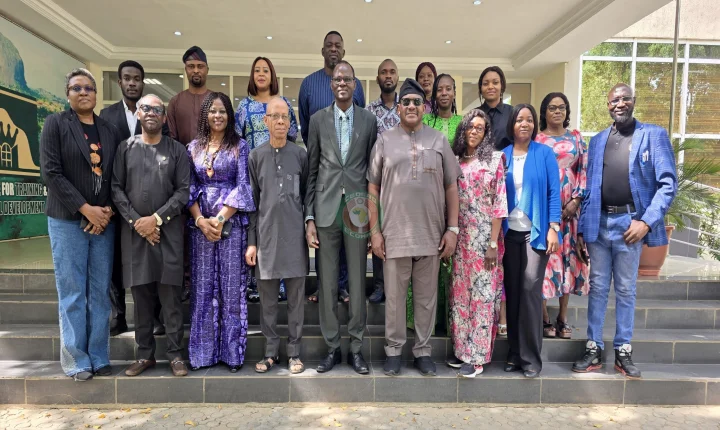
The Governance Structure of ECOWAS
The Economic Community of West African States (ECOWAS) operates through a structured governance framework established under the Revised Treaty of ECOWAS (1993) to promote regional integration, peace, security, and socio-economic development. This governance structure is composed of several principal institutions, each with clearly defined mandates that collectively ensure political leadership, policy coordination, democratic participation, judicial oversight, stakeholder engagement, and effective implementation of Community decisions.
The Authority of Heads of State and Government
At the apex of the ECOWAS governance structure is the Authority of Heads of State and Government, which constitutes the supreme institution of the Community (Article 7, ECOWAS Revised Treaty, 1993). It is composed of the Heads of State and Government of all Member States.
The Authority is responsible for defining the general policy direction of ECOWAS and taking decisions on matters of strategic importance, including regional peace and security, economic integration, political cooperation, and institutional reforms. It has the power to adopt and amend Community treaties and protocols, admit new members, impose sanctions, and delegate responsibilities to other institutions. Decisions taken by the Authority are binding on all Member States and ECOWAS institutions (Article 7).
The Council of Ministers
The Council of Ministers is the second-highest decision-making organ of ECOWAS and operates under the authority of the Heads of State and Government (Articles 10–11, ECOWAS Revised Treaty, 1993). It is composed of Ministers responsible for ECOWAS affairs or other designated ministers from each Member State.
The Council is responsible for ensuring the proper functioning and development of the Community. Its functions include making recommendations to the Authority, approving work programmes and budgets, adopting regulations, and monitoring the implementation of Community decisions. The Council also prepares policy proposals and coordinates sectoral policies to ensure coherence across Member States (Articles 10–11).
The ECOWAS Community Parliament
The ECOWAS Community Parliament serves as the deliberative and consultative body representing the peoples of West Africa (Articles 13–14, ECOWAS Revised Treaty, 1993). Its members are drawn from national parliaments of Member States, based on population size and equitable regional representation.
The Parliament’s primary role is advisory. It provides opinions, recommendations, and reports on issues relating to Community policies, democracy, human rights, good governance, and regional integration. Although its resolutions are not legally binding, the Parliament plays a vital role in enhancing transparency, democratic accountability, and citizen participation in the ECOWAS integration process (Articles 13–14).
The Economic and Social Council
The Economic and Social Council (ECOSOC) is an advisory institution established to involve socio-economic stakeholders in the ECOWAS decision-making process (Articles 15–16, ECOWAS Revised Treaty, 1993). It is composed of representatives of socio-professional groups, including civil society organizations, the private sector, trade unions, and other interest groups.
The Council provides advisory opinions to ECOWAS institutions on economic, social, cultural, and developmental matters. It serves as a platform for dialogue between ECOWAS and the citizens of the region, ensuring that grassroots perspectives are reflected in Community policies and programmes (Articles 15–16).
The Community Court of Justice
The ECOWAS Community Court of Justice is the judicial organ of the Community, established to ensure the interpretation and application of ECOWAS law (Article 6, ECOWAS Revised Treaty, 1993). Its mandate is further strengthened by the 2005 Supplementary Protocol, which expanded the Court’s jurisdiction, particularly in the area of human rights.
The Court adjudicates disputes between Member States, between ECOWAS institutions, and between individuals and Member States. It plays a crucial role in promoting the rule of law, legal certainty, accountability, and the protection of fundamental human rights within the ECOWAS region (Article 6; Supplementary Protocol, 2005).
The Executive Secretariat (ECOWAS Commission)
The Executive Secretariat, now known as the ECOWAS Commission, is the executive and administrative arm of the Community (Articles 17–19, ECOWAS Revised Treaty, 1993). It is headed by the President of the Commission and supported by Commissioners responsible for key sectors.
The Commission is responsible for implementing decisions of the Authority and the Council of Ministers, initiating Community policies and programmes, managing projects, coordinating with Member States and development partners, and providing technical and administrative support to ECOWAS institutions. It also undertakes studies, monitoring, and evaluation to ensure effective delivery of Community objectives (Articles 17–19).
Related Activities
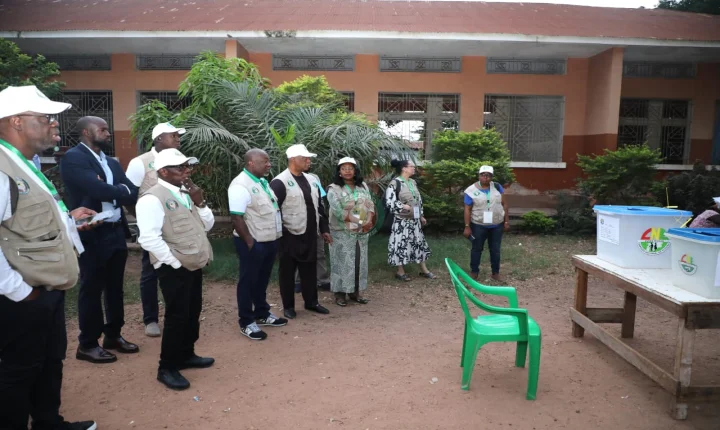
ECOWAS Election Observation Mission observes peaceful, orderly and...more
ECOWAS to hold regional consultation in bissau on the future of peace and...more
THE 39TH MEETING OF THE ECOWAS ADMINISTRATION AND FINANCE...more
ECOWAS Election Observation Mission observes peaceful,...more
ECOWAS to hold regional consultation in bissau on the...more