Regional Security
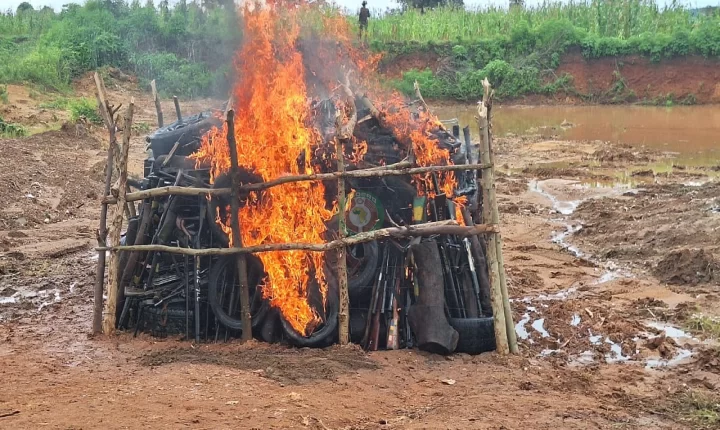
PUBLIC DESTRUCTION OF SMALL ARMS AND LIGHT...more
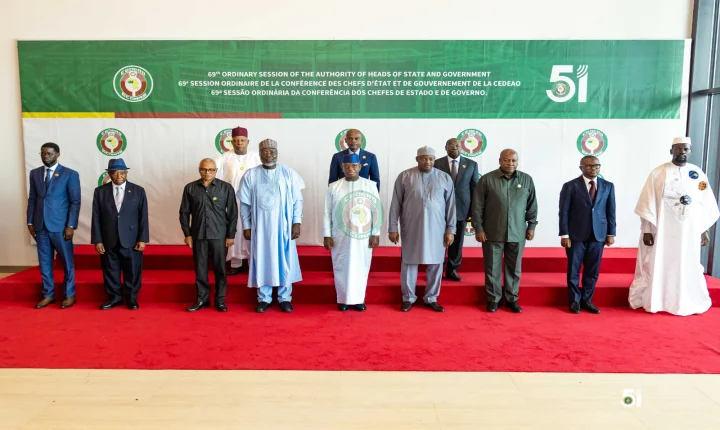
ECOWAS HOLDS SUMMIT ON THE FUTURE OF REGIONAL...more
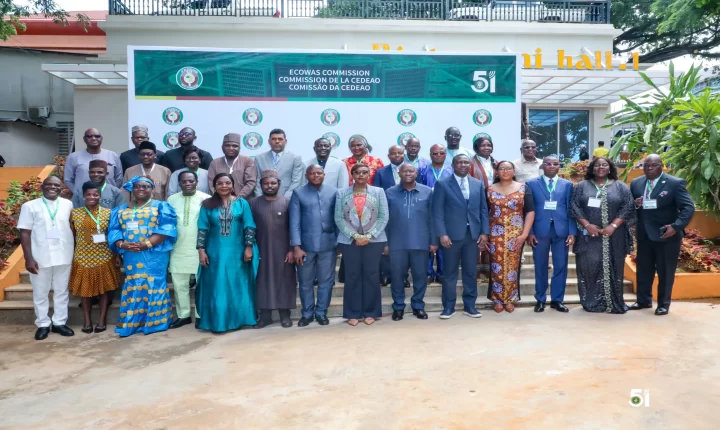
THE 39TH MEETING OF THE ECOWAS ADMINISTRATION...more
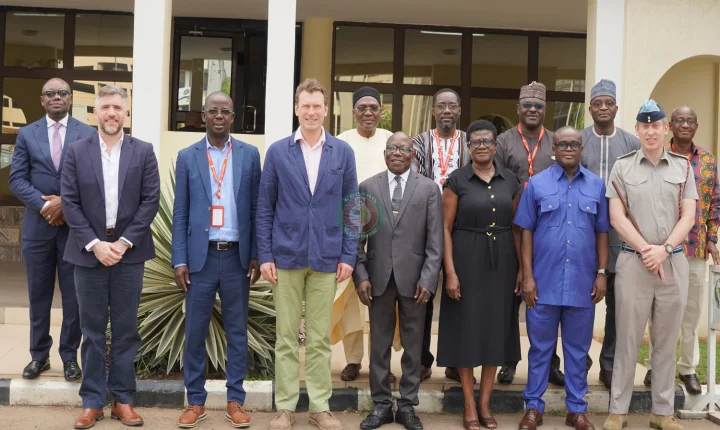
ECOWAS COMMISSION CONFERS WITH THE UNITED...more
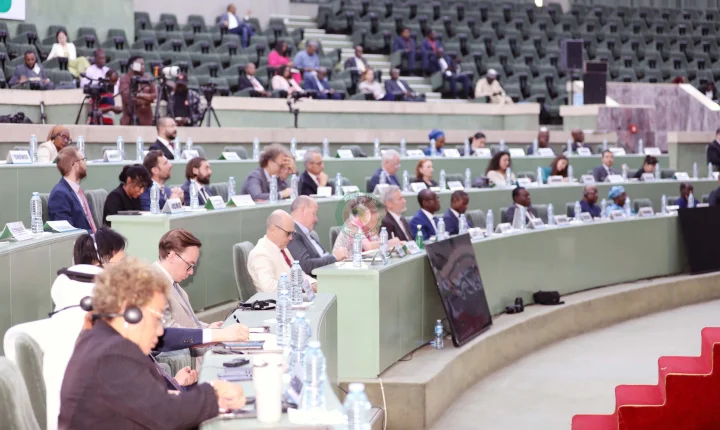
H.E. DR OMAR ALIEU TOURAY MEETS WITH MEMBERS OF...more
ECOWAS COMMISSION CONFERS WITH THE KINGDOM OF...more
Exclusive Interviews
THE COMMISSIONER POLITICAL AFFAIRS, PEACE AND SECURITY AMB ABDEL FATAU MUSAH - Abuja, 8 March 2024
ECOWAS Declares State Of Emergency Across West African Region
"ECOWAS made mistakes and I must admit it" - Amb. Dr. Abdel-Fatau Musah
About Political Affairs, Peace & Security (PAPS)
The Economic Community of West African States (ECOWAS) was established on May 28, 1975, with a primary goal of promoting economic integration and cooperation among its member states. While economic development was the founding focus, persistent instability, civil wars, and political unrest across West Africa gradually drew the organization into matters of peace and security.
The initial mandate of ECOWAS did not include direct military intervention or peacekeeping. However, the devastating Liberian civil war in the late 1980s and early 1990s revealed the urgent need for regional security mechanisms. This led to the formation of the ECOWAS Ceasefire Monitoring Group (ECOMOG) in 1990, an ad hoc military intervention force deployed in Liberia. The success and lessons from ECOMOG highlighted the importance of institutionalizing peacekeeping capacities within ECOWAS. From this background, the broader peace and security framework of ECOWAS began to take shape.
PAPS Mandate
Building on the legacy of ECOMOG, ECOWAS adopted a Protocol Relating to the Mechanism for Conflict Prevention, Management, Resolution, Peacekeeping, and Security in 1999. This Protocol laid the foundation for a comprehensive regional peace and security architecture. It formalized the structures and procedures for preventive diplomacy, early warning, peacekeeping, and humanitarian assistance.
Over time, the responsibilities for implementing these provisions evolved into specialized departments and directorates within the ECOWAS Commission. Among these was the formation of the Directorate of Peacekeeping and Regional Security (DPKRS), the Directorate of Political Affairs (DPA) and the Directorate of Early Warning (EW, currently under the Office of the Vice President), which became a key institutions under the Department of Political Affairs, Peace and Security (PAPS).
The Overall mandate of the Department of Political Affairs, Peace and Security is to facilitate the operationalization of the 1999 Protocol relating to the Mechanism for Conflict Prevention, Management, Resolution, Peacekeeping and Security, as well as the 2001 Supplementary Protocol on Democracy and Good Governance. Within this framework, the Department backstops the work of the Organs under the Mechanism. The Department also oversees the implementation of peace and security-related normative frameworks deriving from the Protocols, such as the 2008 ECOWAS Conflict Prevention Framework and the 2006 Convention on Small Arms and Light Weapons.
Our Vision
The evolution of ECOWAS peacekeeping capacity is deeply rooted in the experience of ECOMOG. Deployed initially in Liberia in 1990, ECOMOG later intervened in Sierra Leone and Guinea-Bissau. Although it was formed outside the ECOWAS treaty framework, ECOMOG demonstrated the feasibility and effectiveness of collective security operations by West African states.
Despite successes, ECOMOG also faced challenges, including logistical constraints, limited funding, coordination difficulties, and criticism over political neutrality. These challenges informed the establishment of more formalized structures like the DPKRS, which institutionalized peacekeeping within the ECOWAS Commission, with clearer mandates, standardized procedures, and sustainable support systems.
PAPS Organogram
ECOWAS Peace Fund
ECOWAS Stanby Force
Peacekeeping & Regional Security
RSD
PSOD
SAD
Political Affairs
MCRPA
DGG
EAD